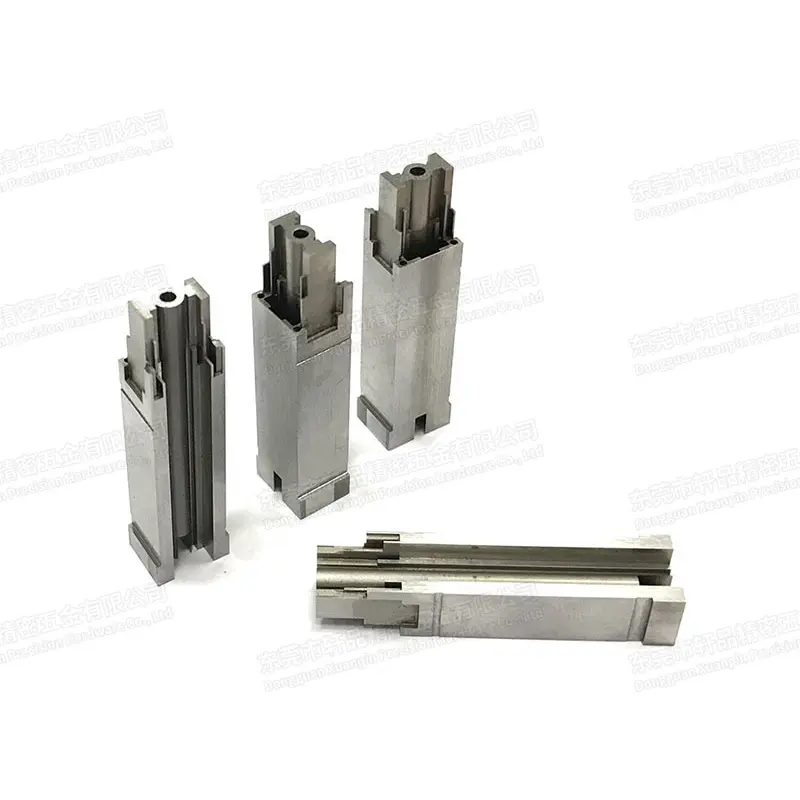
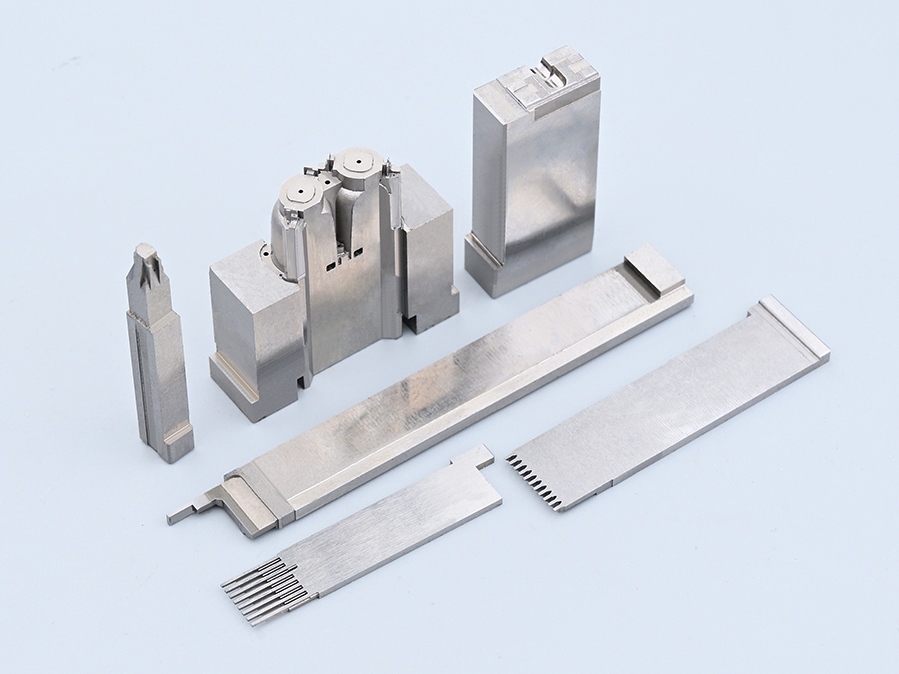
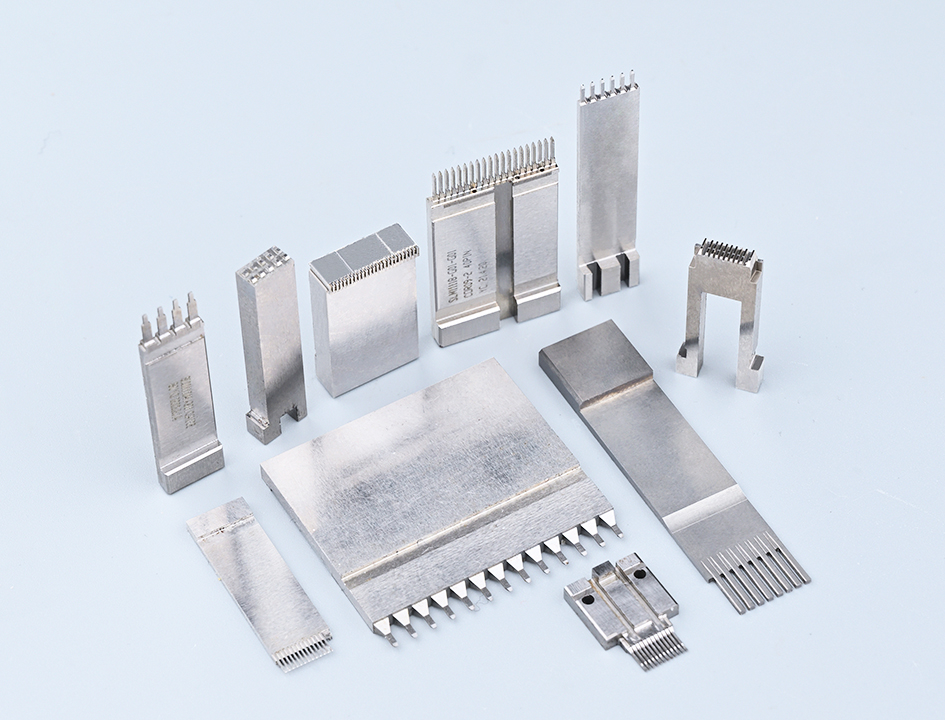
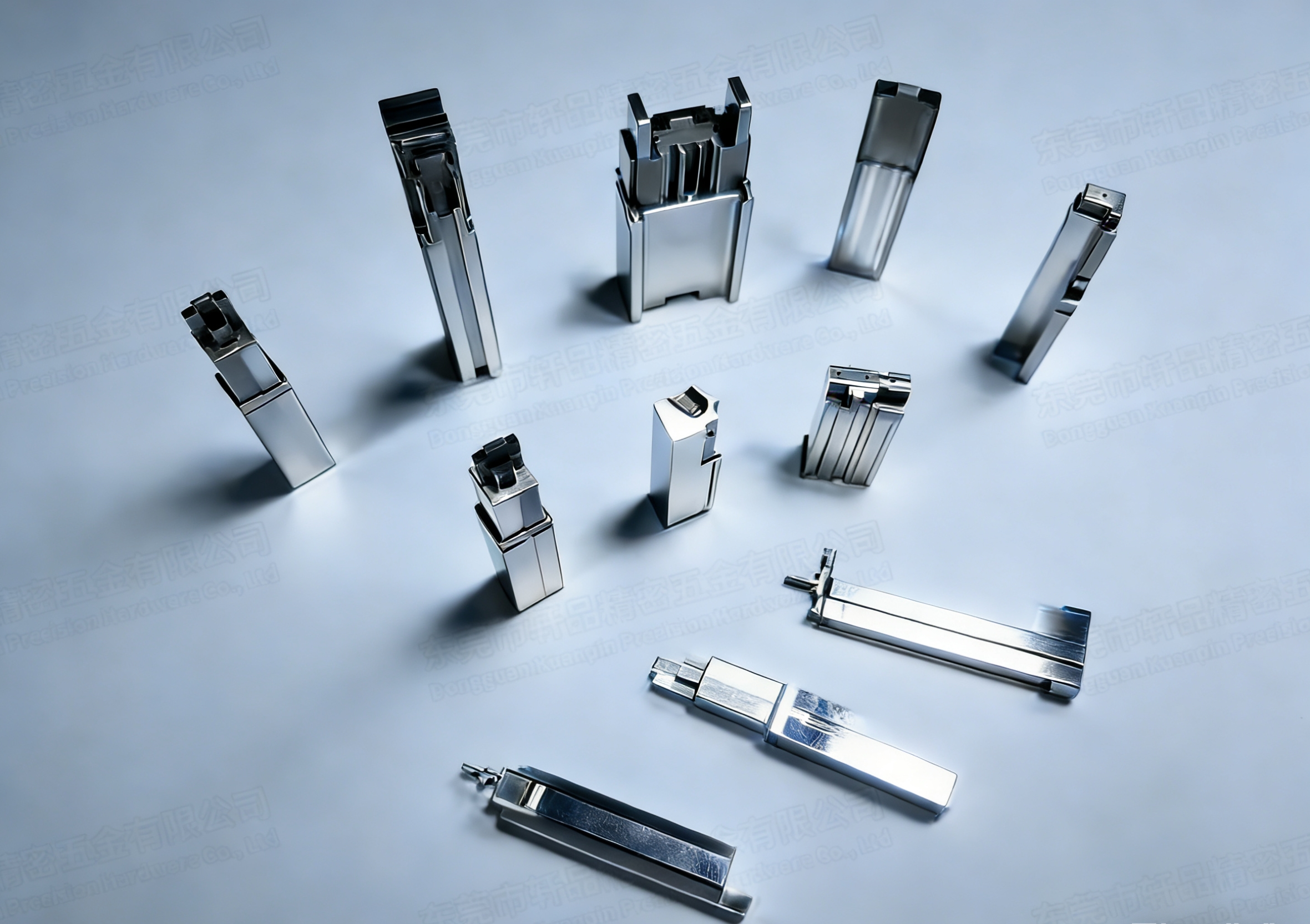
In mold manufacturing, precision is often treated as a clear advantage.
Tighter tolerances are seen as a sign of quality, capability, and advanced machining.
But in real production, extreme precision does not always lead to better mold performance. In some cases, it creates new problems that only appear after the mold enters long-term use.

On drawings, extremely tight tolerances look impressive.Every dimension is controlled, every fit is minimized.
However, molds do not operate in a static environment.
During production, temperature changes, clamping force, and material pressure constantly affect the mold structure. Steel expands, contracts, and shifts slightly over time. When tolerances are pushed too far, the mold loses its ability to absorb these changes.
What looks perfect on paper may become difficult to assemble, adjust, or maintain on the shop floor.
In earlier discussions about precision inserts versus standard inserts, machining accuracy is often treated as the key differentiator. But at the mold level, precision only adds value when it supports real operating conditions.
Highly precise fits often mean minimal clearance between components.This can improve initial alignment, but it also increases sensitivity.
A small amount of wear, debris, or thermal expansion can cause inserts to seize or bind. Disassembly becomes harder, and maintenance requires more force and time. In some cases, parts are damaged during removal rather than during production.
These issues rarely appear during mold trial runs. They show up months later.
Many mold designs are finalized based on room-temperature measurements.In actual operation, mold temperature can vary significantly, especially in high-speed or high-volume production.
Over-controlled tolerances reduce flexibility. Instead of allowing controlled movement, the mold resists it. Stress accumulates in local areas, accelerating wear and increasing the risk of cracking or deformation.
This is one of the most common reasons why “high-precision” molds fail earlier than expected.
There is a difference between precision and stability.Precision focuses on how accurately a part is made.
Stability focuses on how consistently the mold performs over time.
A mold with slightly looser, well-planned tolerances can often run longer and require less maintenance than one designed with extreme precision everywhere. The key is understanding which areas truly require tight control and which do not.
This does not mean precision is unnecessary.Critical functional areas still demand high accuracy. But applying the same level of precision to every component often increases cost without improving performance.
Experienced mold designers aim for balance. They design for real operating conditions, not just for drawings and inspection reports.
Instead of asking how tight tolerances can be, a more useful question is:
How will this mold behave after thousands of cycles?
Mold performance is defined by reliability, serviceability, and consistency. Precision supports these goals only when it is applied with purpose.