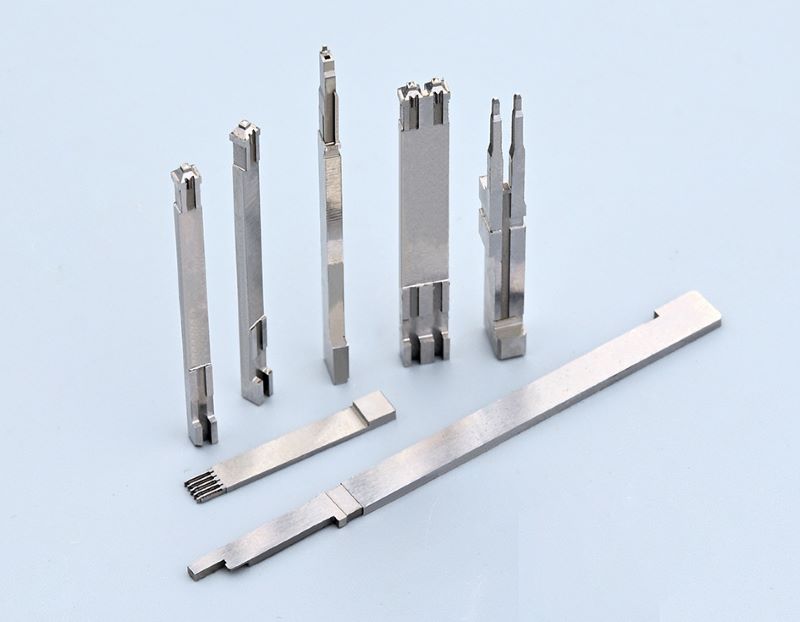
Many customers ask the same question during mold development:
“Can we use a standard insert here, or does it really need to be a precision insert?”
At first glance, both look similar — just steel inserts machined to size.
But once the mold goes into trial runs or mass production, the differences start to show.
Based on real high-precision machining projects, here’s what actually sets them apart.
When people talk about precision inserts, they often focus on tighter tolerances.
That’s true — but it’s only part of the story.
The real difference is this:
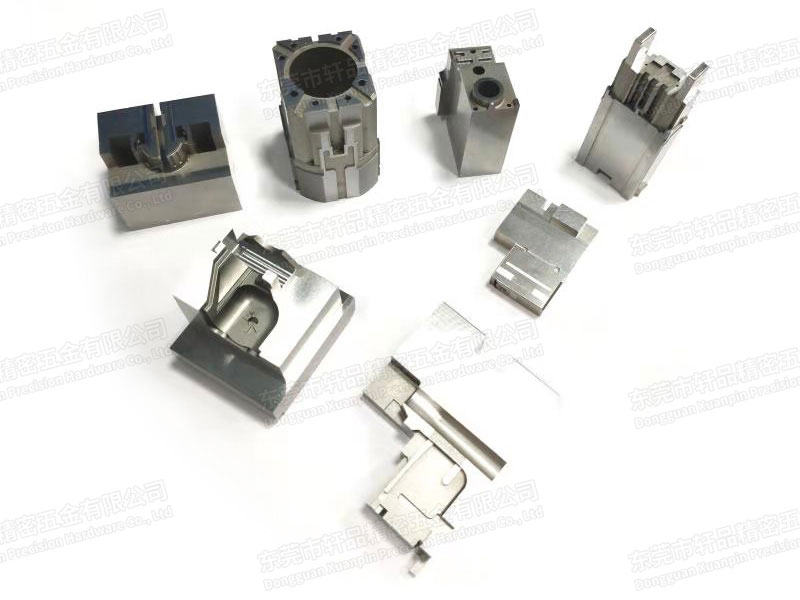
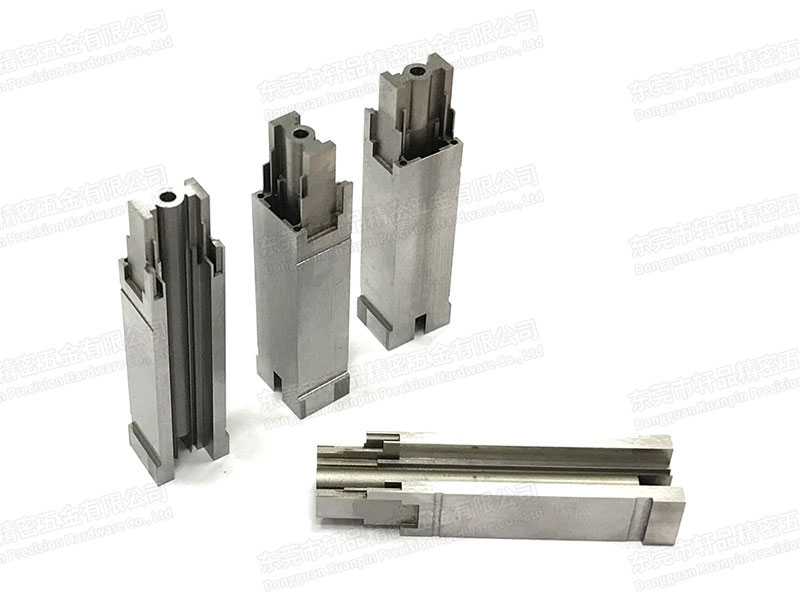
Precision inserts are designed for stable assembly and long-term production.
Standard inserts are often made to “fit once” and that’s it.
Standard inserts may look fine as single parts, but issues tend to appear when:
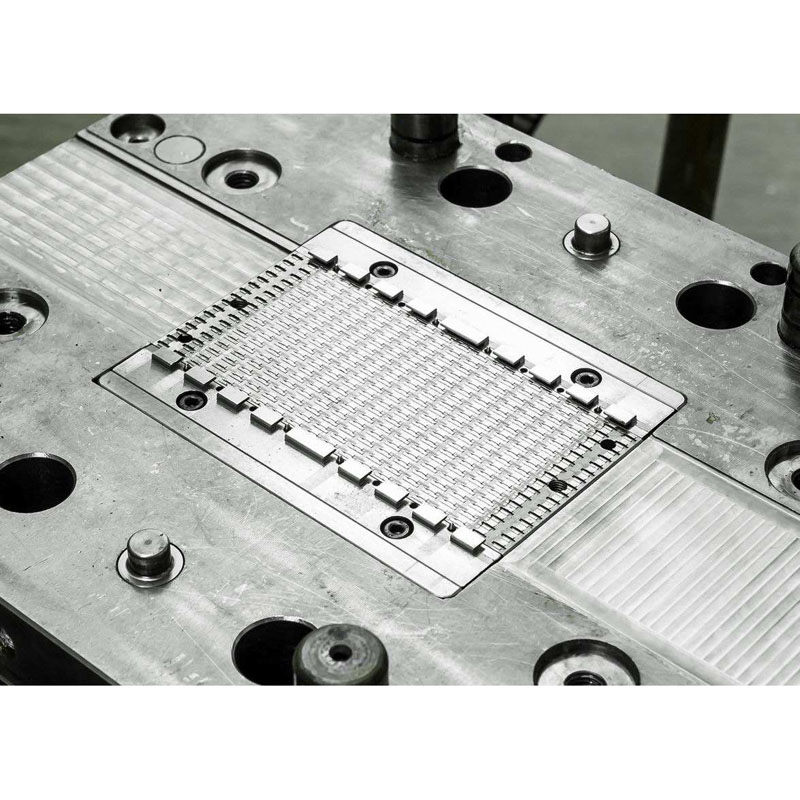
Multiple inserts are assembled together
The mold runs at high frequency
Long-term, high-volume production is required
Standard inserts
Mainly processed by conventional CNC machining
Wider dimensional tolerance
Assembly often relies on manual fitting and adjustment
Precision inserts
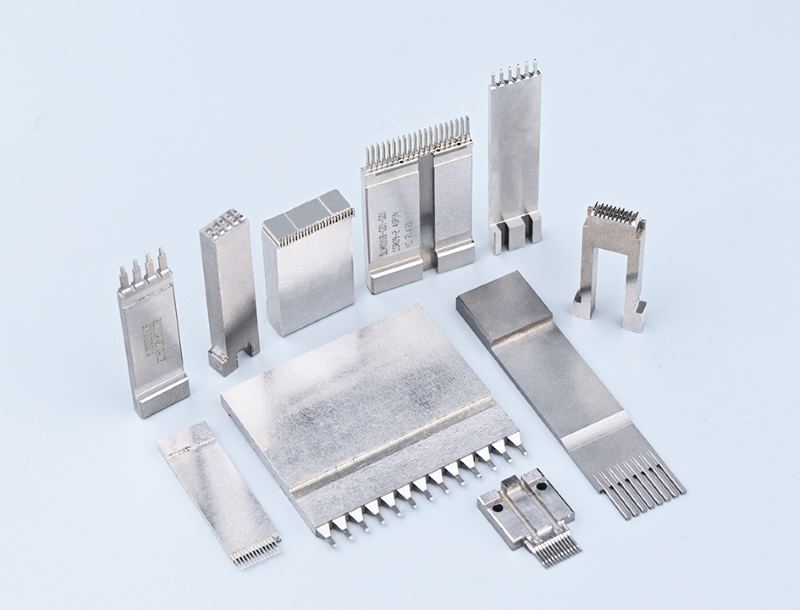
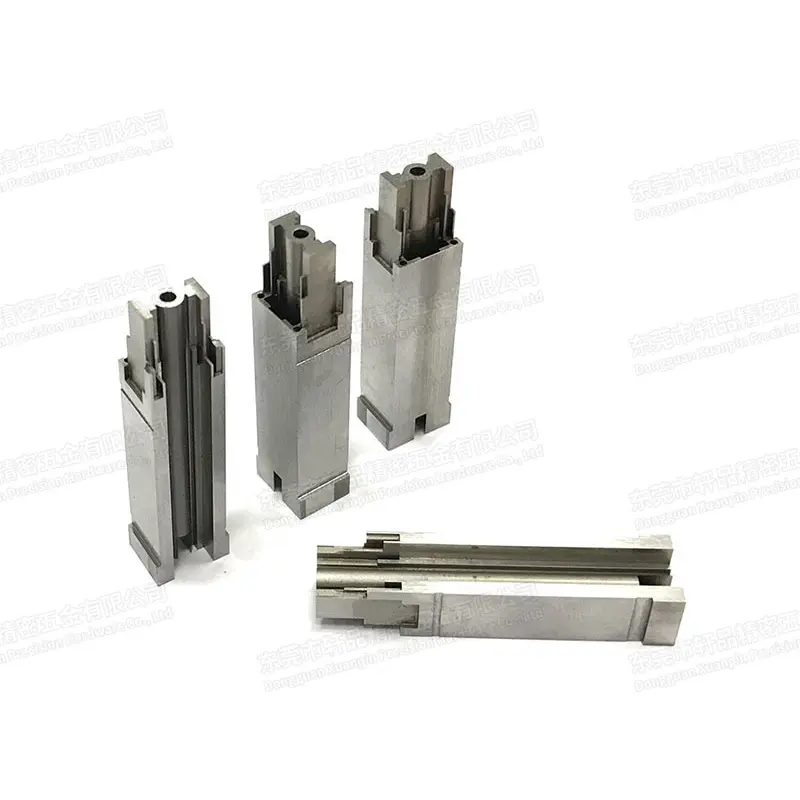
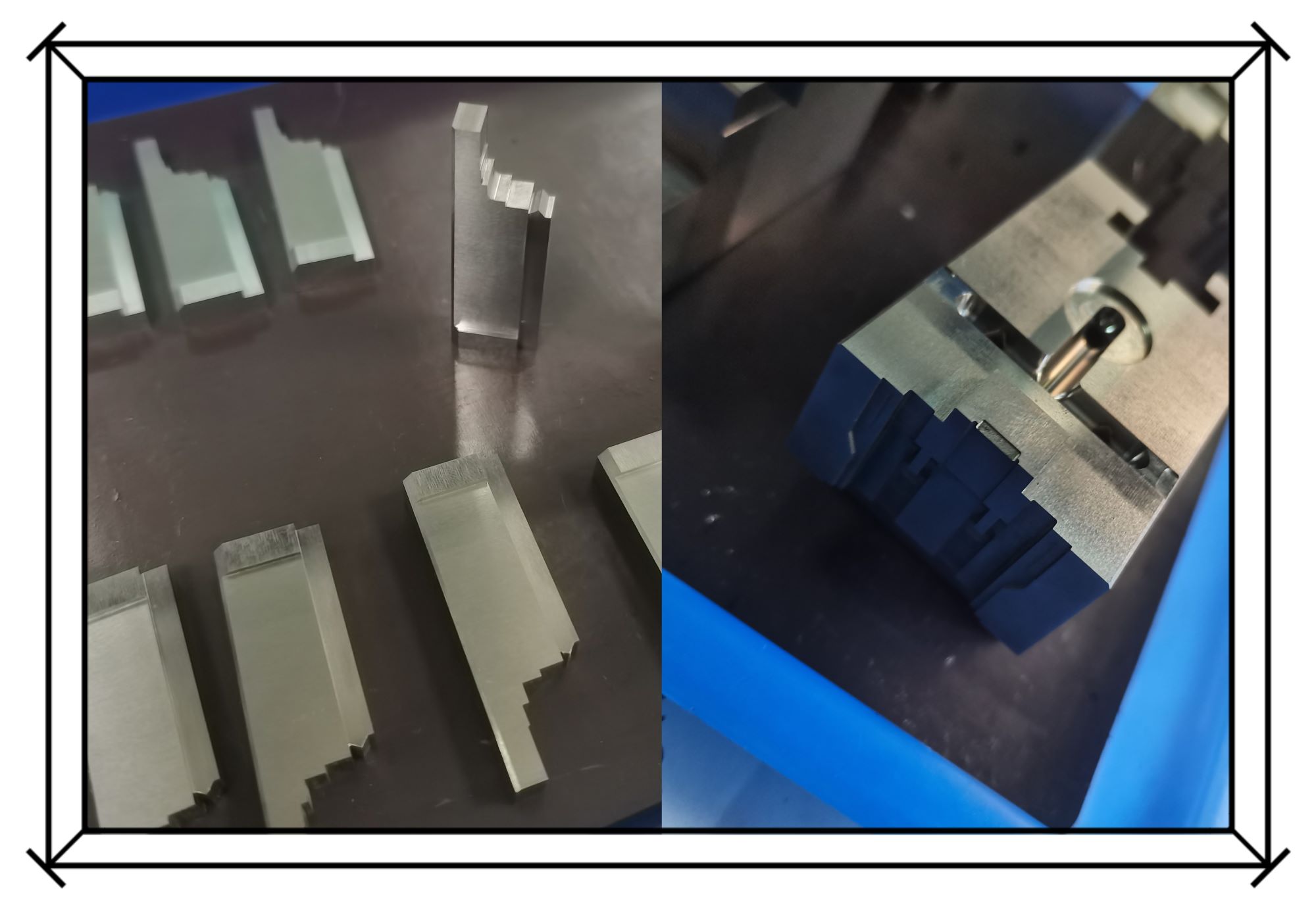
High-precision machining as a baseline (wire EDM, grinding, secondary finishing)
Critical dimensions are finished accurately, not “fixed” by hand
Fit and alignment are considered before machining even starts
At XP MOLD, precision inserts are expected to:
Hold key dimensions consistently
Remain stable after repeated assembly and disassembly
Maintain accuracy throughout the mold’s service life
This is where engineers notice it first.
With standard inserts, you often experience:
Slight interference — not sure whether to press harder
The insert goes in, but confidence is low
After one disassembly, alignment no longer feels the same
With precision inserts:
Alignment feels smooth and predictable
Press-fit is even and controlled
Multiple assemblies do not affect positioning
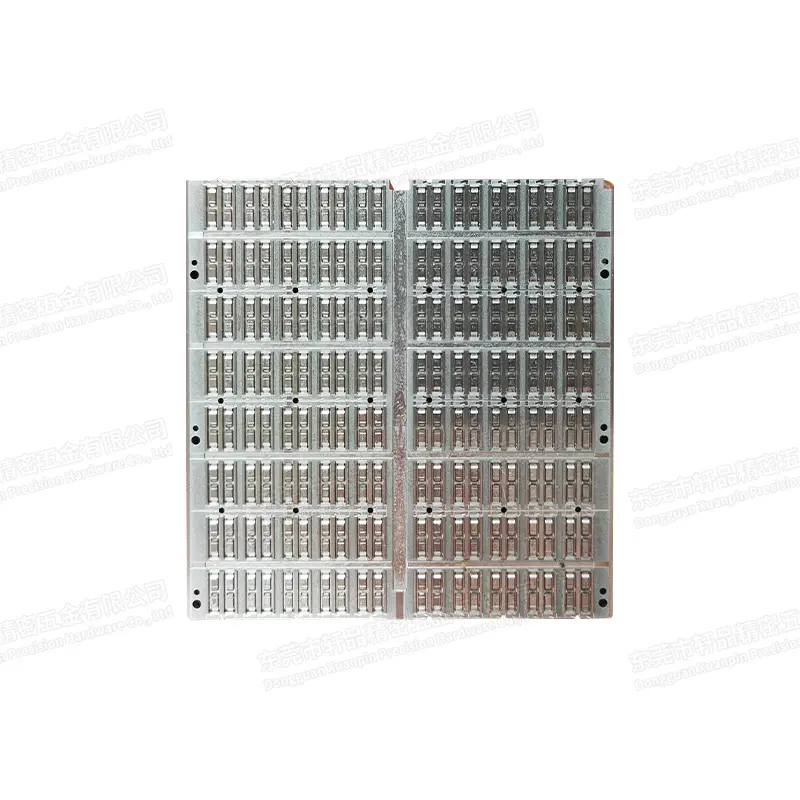
This difference is especially obvious in connector molds and optical molds.
Many molds perform fine in early trials, but problems appear later:
More flash over time
Accelerated local wear
Gradual loss of dimensional accuracy
In many cases, the root cause traces back to the inserts.
Standard inserts are more likely to develop:
Local stress concentration
Micro-deformation
Uneven wear on mating surfaces
Precision inserts address these risks earlier — during design and machining — rather than after problems appear.
No — and that’s an important point.
Based on XP MOLD’s experience, here’s a practical guideline:
Precision inserts are recommended when:
Product dimensional requirements are tight
Multiple inserts work together
The mold is designed for long-term mass production
Applications involve connectors, optics, or automotive components
Standard inserts may be sufficient when:
The structure is simple
Tolerances are not critical
The mold is for prototyping or small batches
The key is not “precision everywhere,” but precision where it matters.
The difference between precision inserts and standard inserts goes beyond tolerance values.
It affects:
Assembly experience
Dimensional stability
Long-term mold performance
If your mold is expected to run reliably over time, using precision inserts in critical areas is often far more cost-effective than repeated mold corrections later.
If you’re unsure which areas truly require precision inserts, that decision can be made before machining begins.
At XP MOLD, we typically help customers identify risk points first, then apply high-precision machining only where it delivers real value.