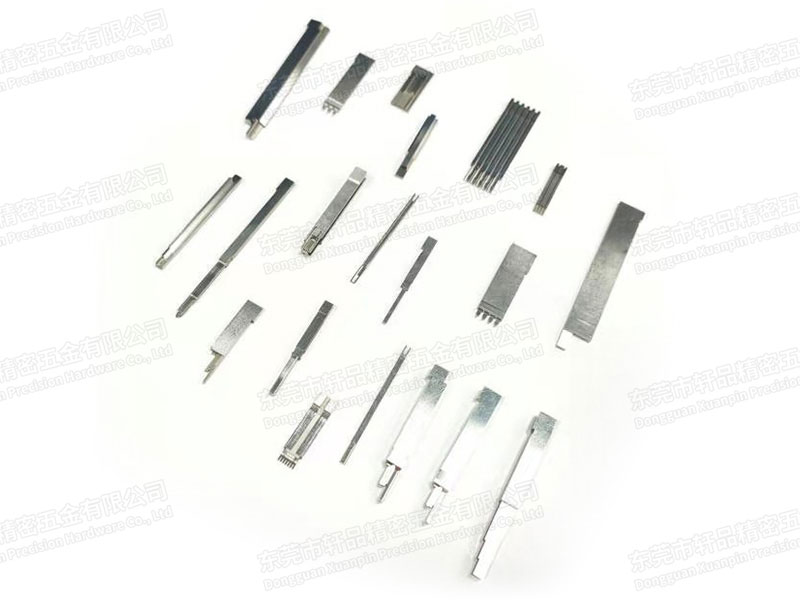
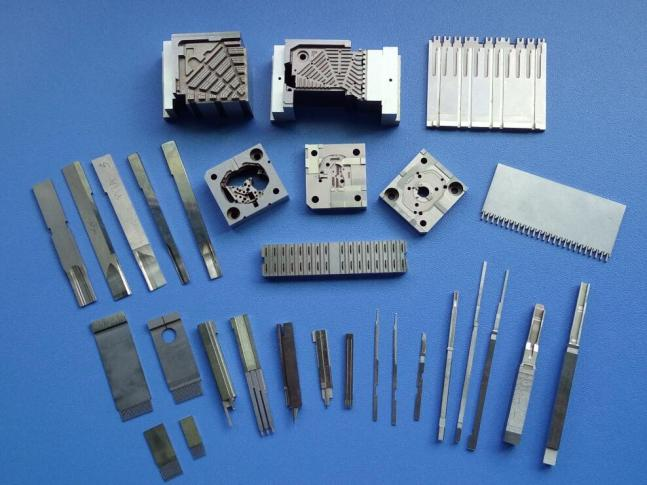
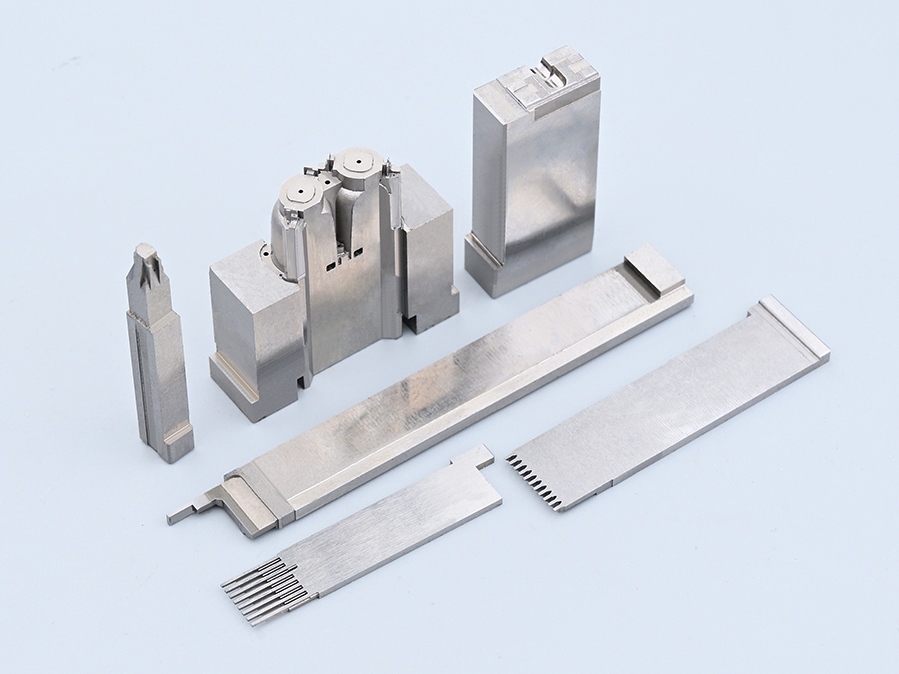
Not every mold needs extremely tight tolerances.
In fact, applying high precision inserts everywhere often increases cost without solving real production problems.
The real question is not whether precision is good — it’s where precision actually makes a difference. From real tooling projects, most long-term issues don’t come from obvious mistakes, but from using standard inserts in areas that quietly demand higher accuracy.
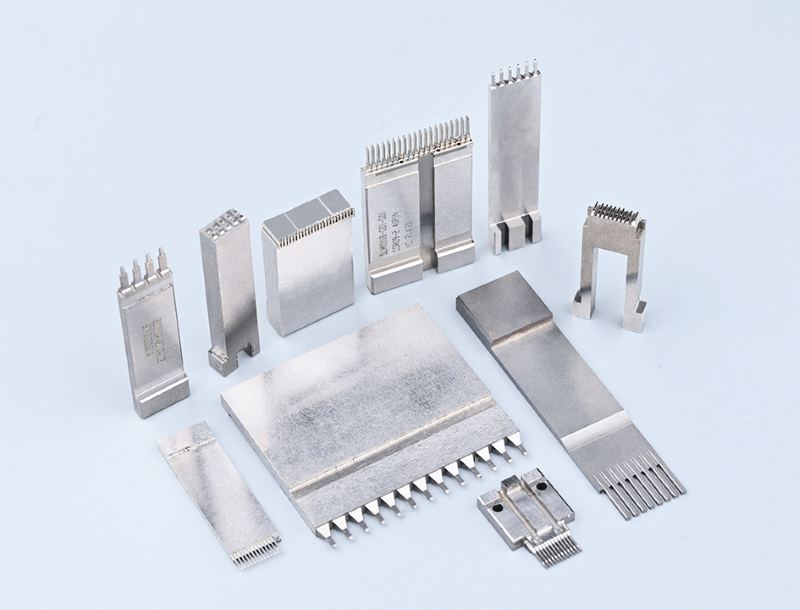
Standard mold inserts still have their place.
For non-functional areas, parts without strict cosmetic requirements, or low-volume production, standard inserts usually perform well. They are easier to machine, faster to modify, and more cost-effective overall.
If you want a clear comparison between the two, we’ve already explained this in
Precision Inserts vs. Standard Inserts. In practice, the goal is not to replace standard inserts completely, but to use precision inserts where they actually prevent future problems.
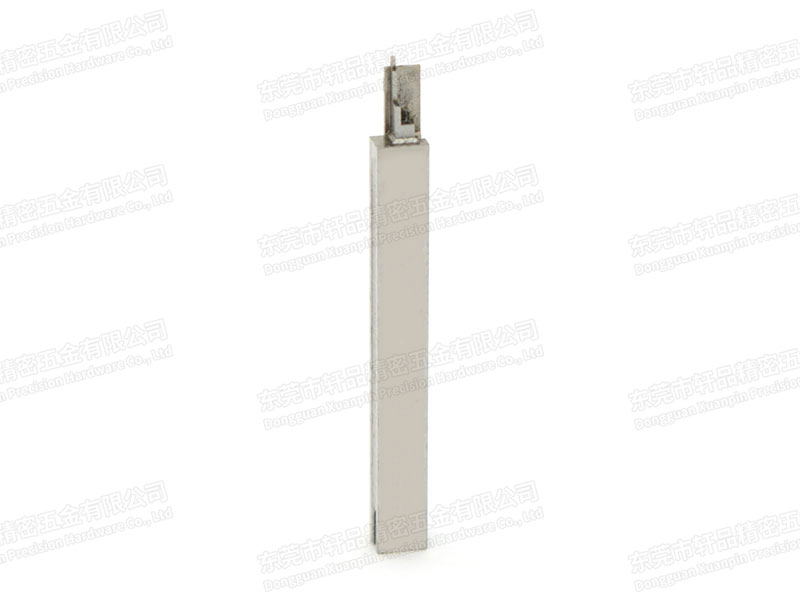
There are certain mold conditions where precision is no longer optional.
Tight shut-off areas are one example. Even a very small deviation in fit can cause recurring flash that cannot be solved by polishing alone.
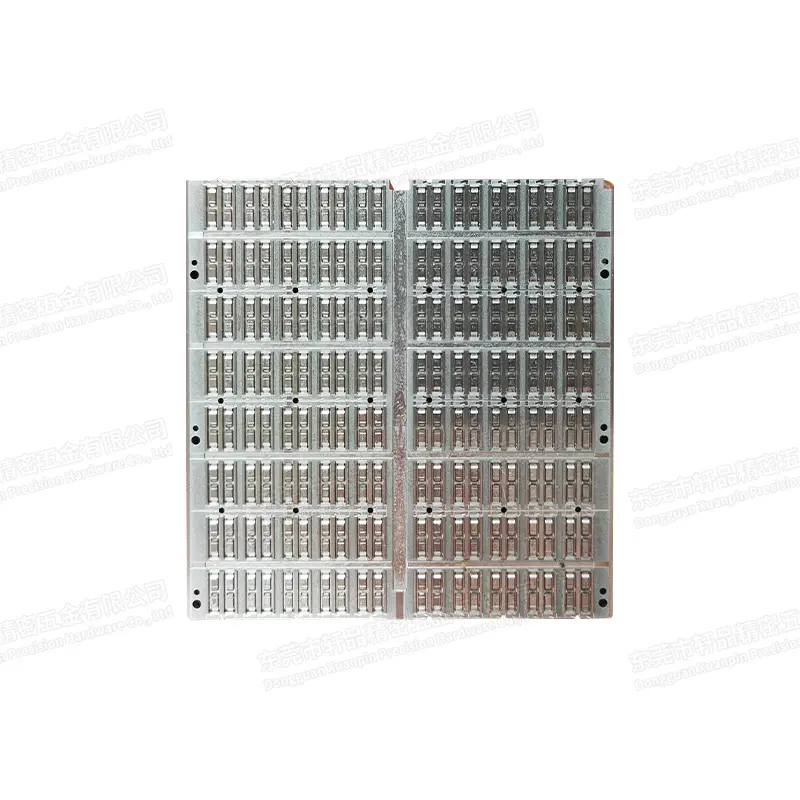
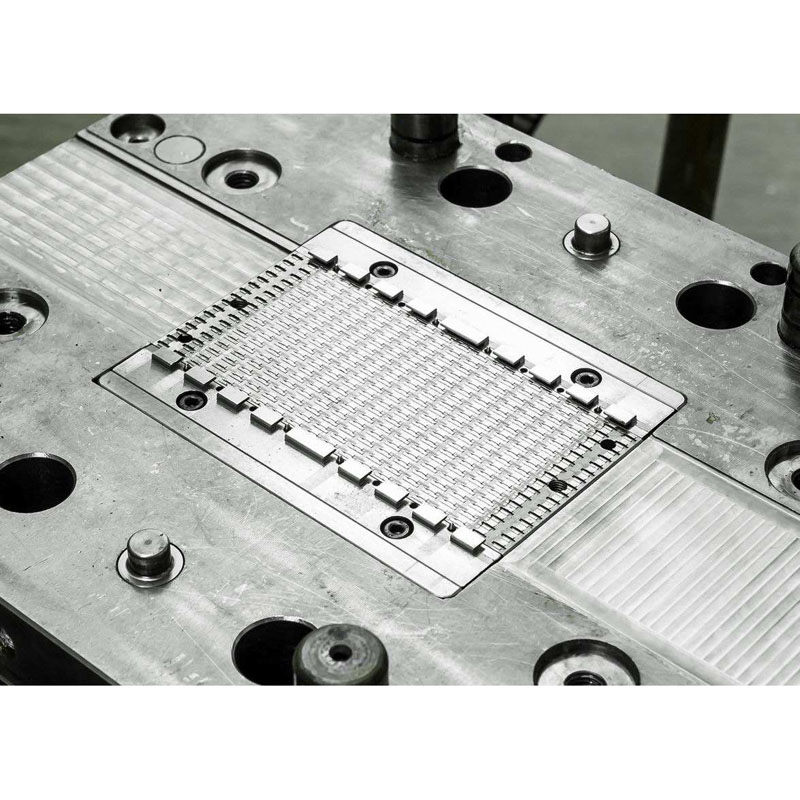
Connector cavities and terminal areas are another. These molds are highly sensitive to alignment and repeatability. Small shifts in insert positioning often lead to unstable part quality or assembly issues later on.
For optical or high-gloss surfaces, problems usually don’t appear during initial trials. They show up after longer production runs, when slight distortions start affecting appearance.
In high-cycle molds, wear behavior becomes critical. High precision inserts help distribute contact stress more evenly, slowing down localized wear over time.
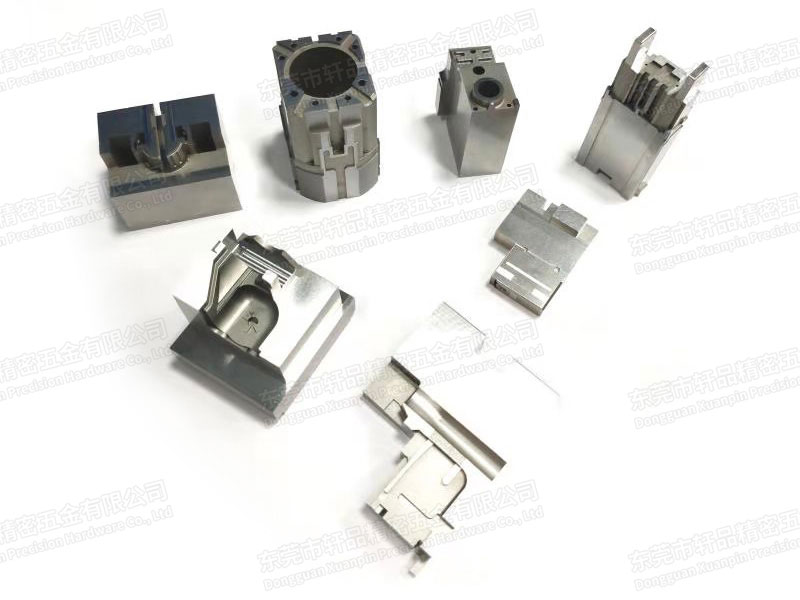
Most problems don’t appear immediately.
Flash starts to come back after adjustments.
Wear shows up earlier than expected.
The mold returns to the bench more often, even though nothing seems obviously wrong.
Individually, these issues look manageable. Over time, they increase downtime, maintenance cost, and overall tool instability. In many cases, the root cause is not material selection, but insufficient precision in critical insert areas.
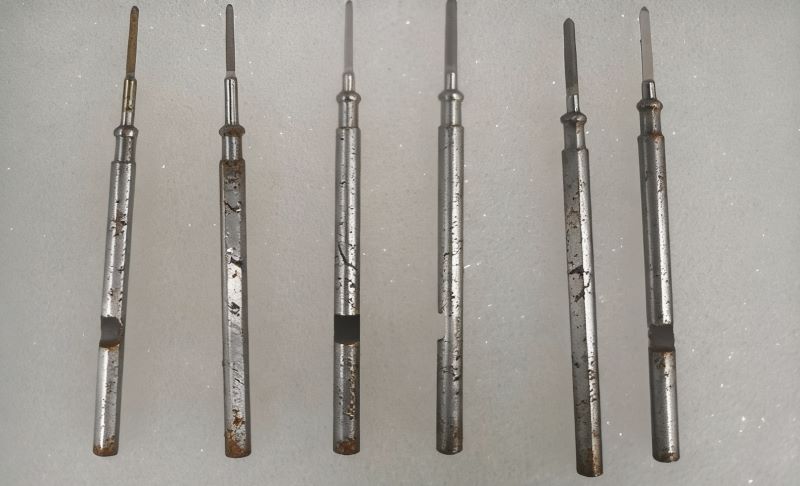
Instead of relying on assumptions, experienced engineers usually look at a few simple questions:
Does the insert affect part function or assembly alignment?
Are tight tolerances required to control flash or fit?
Is the plastic material abrasive or glass-filled?
Will the mold run continuously or for very high cycle counts?
Is the insert designed to be replaced multiple times?
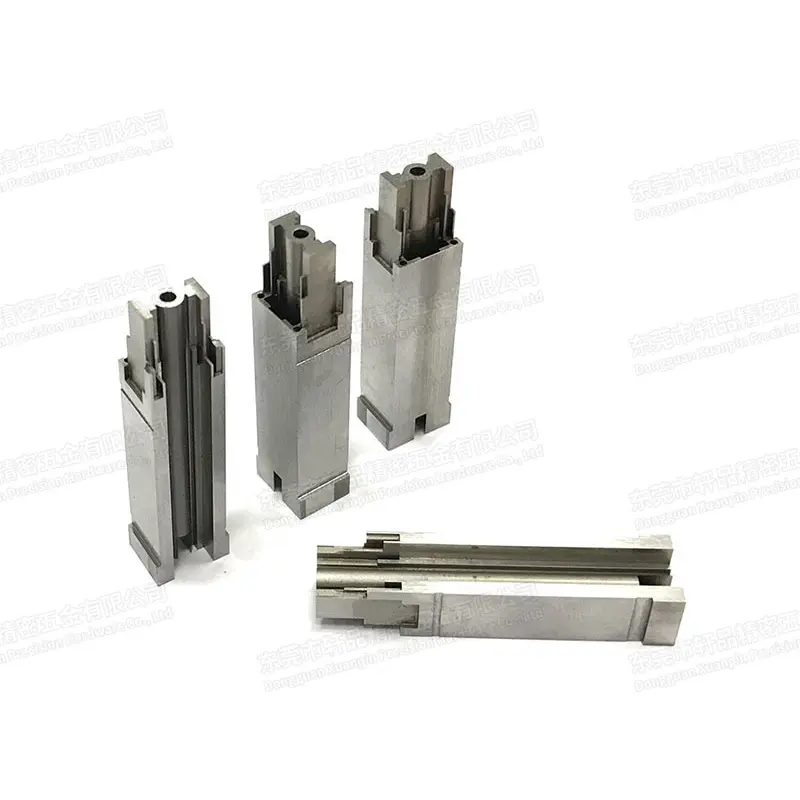
If several of these apply, high precision inserts are usually the safer long-term choice.
Precision is not only about achieving tight tolerances once. It’s about machining consistency, stable surface quality, and repeatable fit during assembly.
We explain this in more detail in
What Makes a High Precision Mold Insert? Key Factors Explained, but in short, a precision insert should behave the same way every time it is installed — not just pass inspection on day one.
High precision mold inserts are not about making molds more complicated. They are about reducing uncertainty in critical areas.
When precision is applied selectively, molds become easier to maintain, more stable in production, and more predictable over their service life.
At XP MOLD, we focus on helping customers identify where high precision truly adds value — and where standard solutions are sufficient. That balance is often what separates a mold that constantly needs attention from one that runs reliably in production.