In injection molding, most performance issues do not appear on day one. They emerge after thousands or millions of cycles, when wear, contamination, or small design limitations begin to affect stability. At that stage, the question is no longer how precise the mold is, but how easily it can be maintained and repaired. In earlier projects, we discussed how high precision mold inserts affect stability and tool life, but maintenance introduces a different set of priorities.
This article opens a new technical series focused on mold maintenance and repair, starting with one fundamental idea: good mold design should reduce future maintenance effort, not increase it.
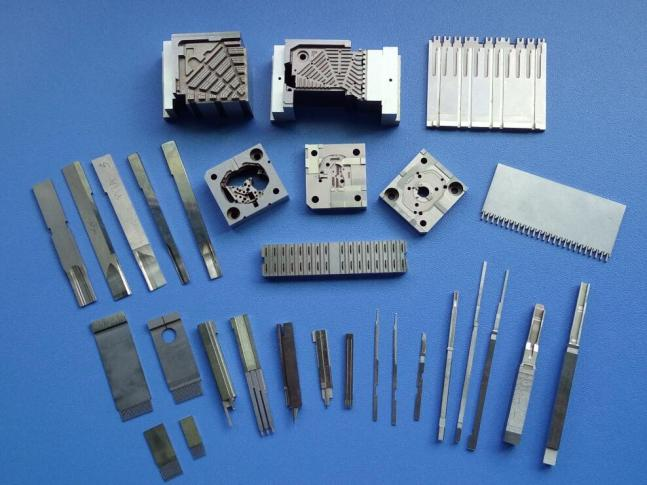
Maintenance-friendly molds are designed so that inserts and wear parts can be accessed and replaced without disturbing the main structure.
Maintenance is often treated as a downstream task, something to deal with only after problems occur. In practice, many maintenance challenges are the direct result of early design decisions.
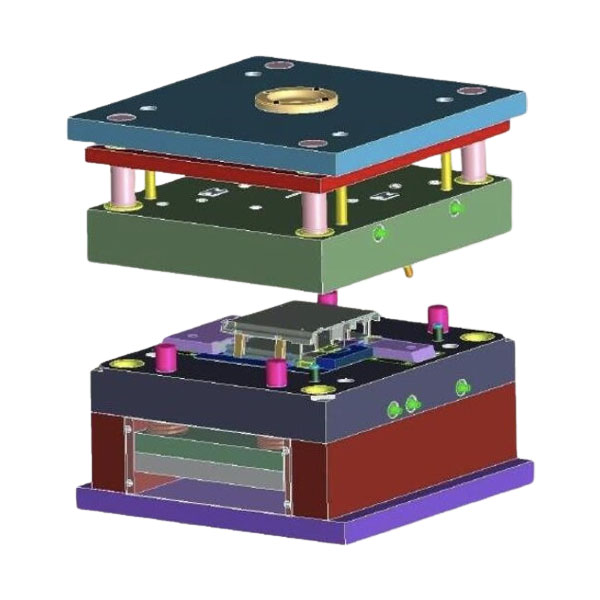
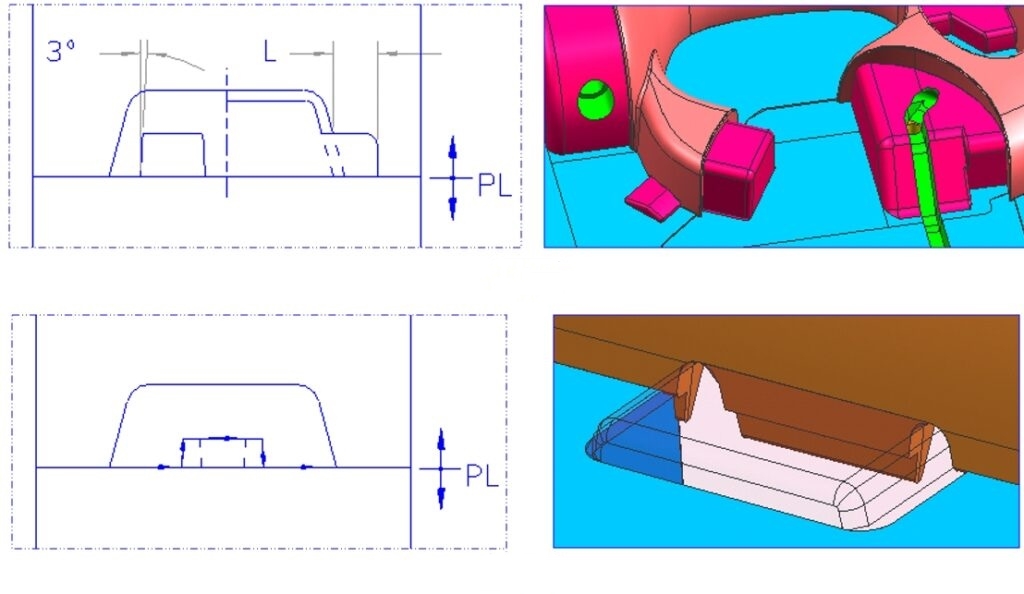
Insert layout, parting strategy, fastening methods, and access space all influence how quickly a worn component can be removed and replaced. A mold that is difficult to disassemble, even if highly precise, will inevitably lead to longer downtime during repair.
Designing with maintenance in mind means asking practical questions early:
Which components are most likely to wear first?
Can those parts be replaced independently?
Is sufficient clearance reserved for removal and reinstallation?

Wear is unavoidable in injection molding, especially in areas exposed to high pressure, abrasive materials, or repeated sliding motion. Instead of resisting wear through excessive precision or surface treatment alone, a more effective approach is controlling where wear occurs.
Replaceable mold inserts allow wear to be localized to specific components. In many applications, using standard mold inserts in controlled wear areas can simplify replacement without sacrificing overall mold performance. When designed correctly, these inserts can be removed and replaced without affecting surrounding structures, keeping repair work simple and predictable.
This strategy not only reduces maintenance time but also lowers the cost of long-term mold ownership.

Complex structures may solve short-term design challenges, but they often complicate future repair work. Deep pockets, hidden fasteners, or tightly stacked components can turn minor wear into major disassembly tasks.
Simpler insert structures, clear assembly logic, and standardized fastening methods usually result in molds that are easier to service. In many cases, structural clarity contributes more to maintainability than extreme machining accuracy.
Routine inspection and cleaning are essential parts of mold maintenance. If key areas are difficult to access or visually inspect, early signs of wear are more likely to be missed.
Designs that allow technicians to quickly check insert condition, venting areas, and sliding surfaces support preventive maintenance and reduce the risk of unexpected failures during production. Early and consistent mold wear identification helps maintenance teams act before small issues develop into mold failures.
Fast repair and easy maintenance are rarely achieved through one single design feature. They are the result of multiple small, practical decisions made throughout the mold design process.
By considering maintenance needs from the beginning, mold builders and injection molders can significantly reduce downtime, control repair costs, and extend overall tool life through more practical mold maintenance planning.
This article marks the beginning of our series on mold maintenance and repair. Upcoming articles will explore wear identification, repair strategies, and maintenance planning based on real production experience.