Whether you’re a manufacturer looking to streamline production or a designer seeking to create detailed plastic parts, injection molding offers a versatile and cost-effective solution to meet your needs.
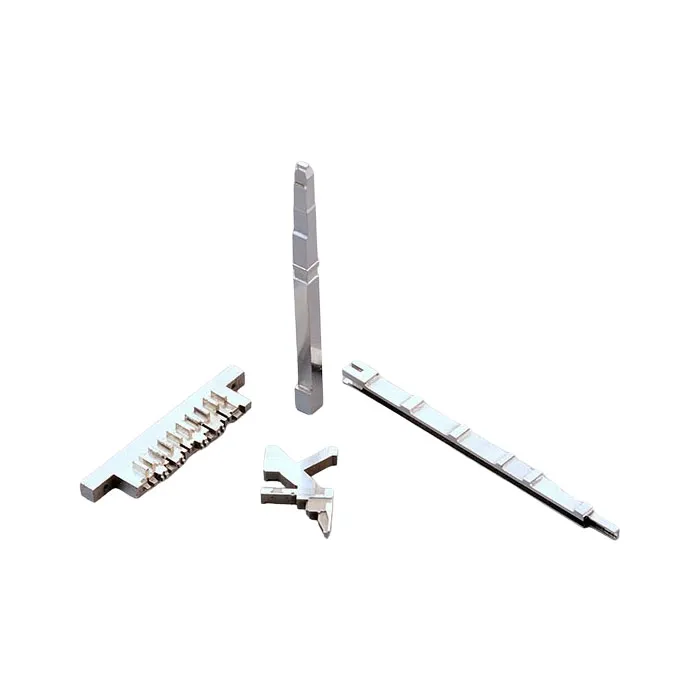
High precision machining is a manufacturing process that involves the use of advanced machinery and technology to create complex and precise parts and components.
With the rapid development of 5-axis CNC machining technology, more and more prototype manufacturers have put forward higher requirements for precision machining of parts. For example, if the size of a device decreases, the components that make it work will continue to shrink, allowing for better performance and greater efficiency.
In manufacturing, "high-precision machining" typically refers to parts with tolerances within a few microns. Among them, precision machining is a type of high-precision machining. Precision machining is important to manufacture tools and parts in a precise and stable manner that can be repeated with consistency, accuracy and durability.
Plastic products are used in a wide range of industries, from household appliances to medical equipment, automotive parts and more. Therefore, plastic injection molding is a manufacturing process widely used in various industries.
Temperature plays a critical role in the injection molding process of LED frame molds. Proper temperature control can lead to high-quality products, while poor temperature control can result in defective products.
We use cookies to offer you a better browsing experience, analyze site traffic and personalize content. By using this site, you agree to our use of cookies.Privacy Policy

 20 2024-09
  19 2024-09
  28 2024-08
  28 2024-08
  26 2024-08
  16 2024-07

